French Rental Property Market – Insights, Trends, and Considerations:
France, with its rich cultural heritage, stunning landscapes, and vibrant cities, has long been a magnet for individuals seeking an idyllic place to call home. The French rental property market, a reflection of the country’s diverse real estate landscape, is a dynamic arena influenced by economic conditions, cultural preferences, and evolving trends. In this comprehensive exploration, we delve into the current state of the French rental property market, examining key trends, factors shaping its dynamics, and offering insights for those navigating this captivating domain.
Overview of the French Rental Property Market:
France boasts a varied real estate market, with rental properties encompassing everything from charming countryside cottages to chic urban apartments. As of the latest data, the French rental property market remains robust, catering to a broad spectrum of residents, from locals to expatriates and international students.
Diverse Offerings Across Regions:
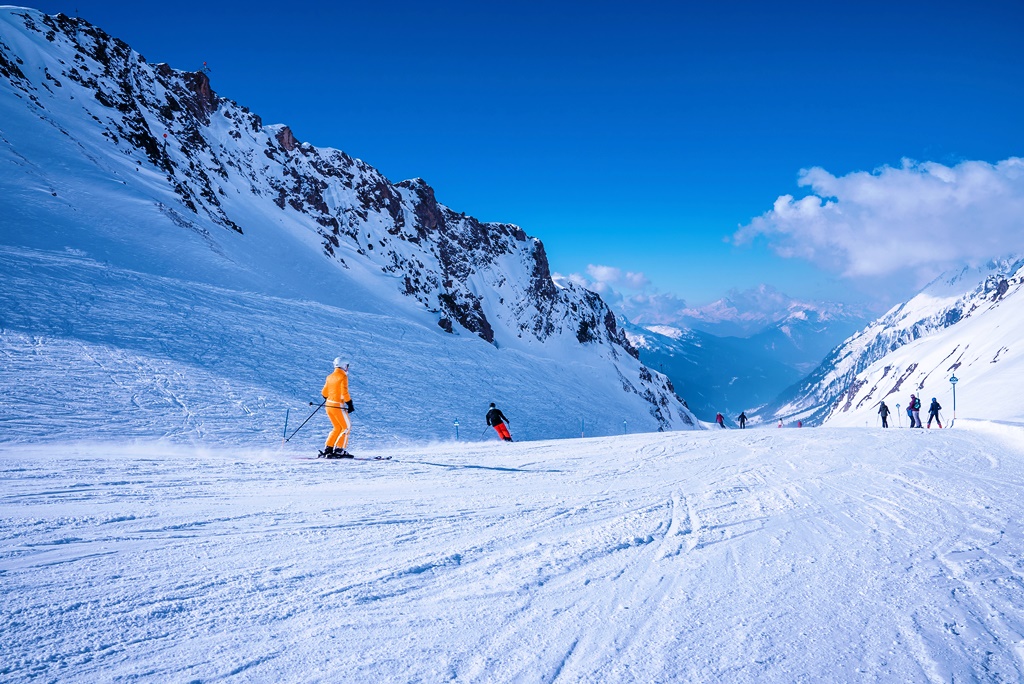
The geographical diversity of France is reflected in its rental market. Paris, the capital, is renowned for its historic charm and cultural significance, making it a hotspot for both long-term and short-term rentals. Beyond the capital, regions like Provence, the French Riviera, and the Alps offer distinct rental opportunities, from seaside villas to ski chalets.
Influence of Economic Factors:
Economic conditions play a pivotal role in shaping the French rental property market. Factors such as employment rates, GDP growth, and inflation directly impact rental prices and demand. Additionally, the country’s response to global economic fluctuations and local policies significantly influences the overall stability and growth of the rental market.
Current Trends in the French Rental Property Market:
Understanding the prevailing trends in the French rental property market provides valuable insights for both renters and investors. As of the latest observations, several trends are shaping the landscape.
Impact of Remote Work and Lifestyle Changes:
The global shift toward remote work has not bypassed France. The ability to work from anywhere has led to increased interest in properties outside major urban centres. Rural and suburban areas are witnessing a surge in demand as individuals seek spacious homes, proximity to nature, and a more relaxed lifestyle.
Sustainability and Eco-Friendly Living:
France, known for its commitment to environmental sustainability, is experiencing a growing demand for eco-friendly rental properties. Tenants are increasingly seeking energy-efficient homes, properties with green spaces, and those incorporating sustainable features. This trend aligns with the broader environmental consciousness prevalent in contemporary living.
Short-Term Rentals and the Rise of Vacation Homes:
The popularity of short-term rentals, facilitated by platforms like Airbnb, has grown in recent years. Tourists and locals alike are exploring the charm of vacation homes, contributing to a vibrant short-term rental market. Coastal areas, wine regions, and historical towns are particularly attractive for those seeking unique and memorable stays.
Factors Influencing Rental Property Trends:
Several factors contribute to the trends observed in the French rental property market. Examining these elements provides a holistic understanding of the dynamics at play.
Regulatory Changes in Short-Term Rentals:
In response to the rise of short-term rentals, France has implemented regulatory changes to balance the market. Cities like Paris have introduced restrictions on the number of days a property can be rented out, aiming to preserve housing availability for residents and maintain a sense of community.
Affordability and Housing Supply:
Affordability remains a key consideration in the French rental market. While urban centres may have higher rental prices, rural and suburban areas often offer more affordable options. The availability of housing supply, influenced by construction rates and urban development policies, also plays a crucial role in determining rental prices.
Demographic Shifts and Changing Family Structures:
Demographic changes, including shifts in family structures and household compositions, impact the type of properties in demand. Single professionals, families, and retirees may seek different features and amenities, prompting property owners and developers to adapt to evolving preferences.
Tips for Navigating the French Rental Property Market:
Whether you are a prospective tenant or an investor eyeing opportunities in the French rental property market, consider these tips to navigate the terrain effectively.
Research Regional Variations:
France’s regions vary significantly in terms of lifestyle, climate, and amenities. Before committing to a rental property, conduct thorough research on the specific region. Consider factors such as local culture, accessibility to amenities, and the overall atmosphere to ensure it aligns with your preferences.
Stay Informed About Regulatory Changes:
Given the evolving nature of regulations, particularly in the short-term rental sector, stay informed about any changes or restrictions. Compliance with local laws is essential for both tenants and property owners to avoid legal complications.
Leverage Online Platforms and Local Networks:
Utilize online platforms to explore available rental properties. Websites and apps dedicated to real estate listings can provide a comprehensive view of the market. Additionally, tapping into local networks, such as community groups or expatriate forums, can offer valuable insights and recommendations.
Consider Long-Term Investment Opportunities:
For investors, the French rental property market offers long-term investment opportunities. Evaluate the potential for capital appreciation, rental yield, and the overall economic stability of the region before making investment decisions.
Future Outlook of the French Rental Property Market:
As we look ahead, the French rental property market is poised for continued evolution. Factors such as government policies, technological advancements, and societal shifts will influence its trajectory.
Government Policies and Housing Initiatives:
Government policies will play a crucial role in shaping the future of the French rental property market. Housing initiatives, regulatory changes, and efforts to address affordability will impact both tenants and property owners. Staying informed about these policies is essential for making informed decisions.
Embrace Technology for Property Management:
Technological innovations are likely to streamline property management processes. From online rent payments to smart home features, property owners and managers can leverage technology to enhance the tenant experience and optimize operations.
Sustainable Development and Green Initiatives:
The emphasis on sustainability is expected to intensify. Property developers and owners may increasingly focus on eco-friendly construction practices, energy-efficient features, and green spaces to align with the growing demand for sustainable living.
Conclusion:
The French rental property market, with its diverse offerings and dynamic trends, presents both opportunities and considerations for tenants and investors alike. Whether you are searching for your dream home or contemplating investments, understanding the current landscape and anticipating future developments is paramount. As France continues to weave together its rich history and modern allure, the rental property market mirrors the intricate tapestry of lifestyles and preferences within the country.